


MRND Flags Security Risks in Owerri Retreat’s Pipeline Surveillance Proposals
- by Ebike, Bayelsa, RNG247
- about 3 months ago
- 408 views
...Pipeline Protection Must Not Become a Monopoly, MRND Tells Federal Government
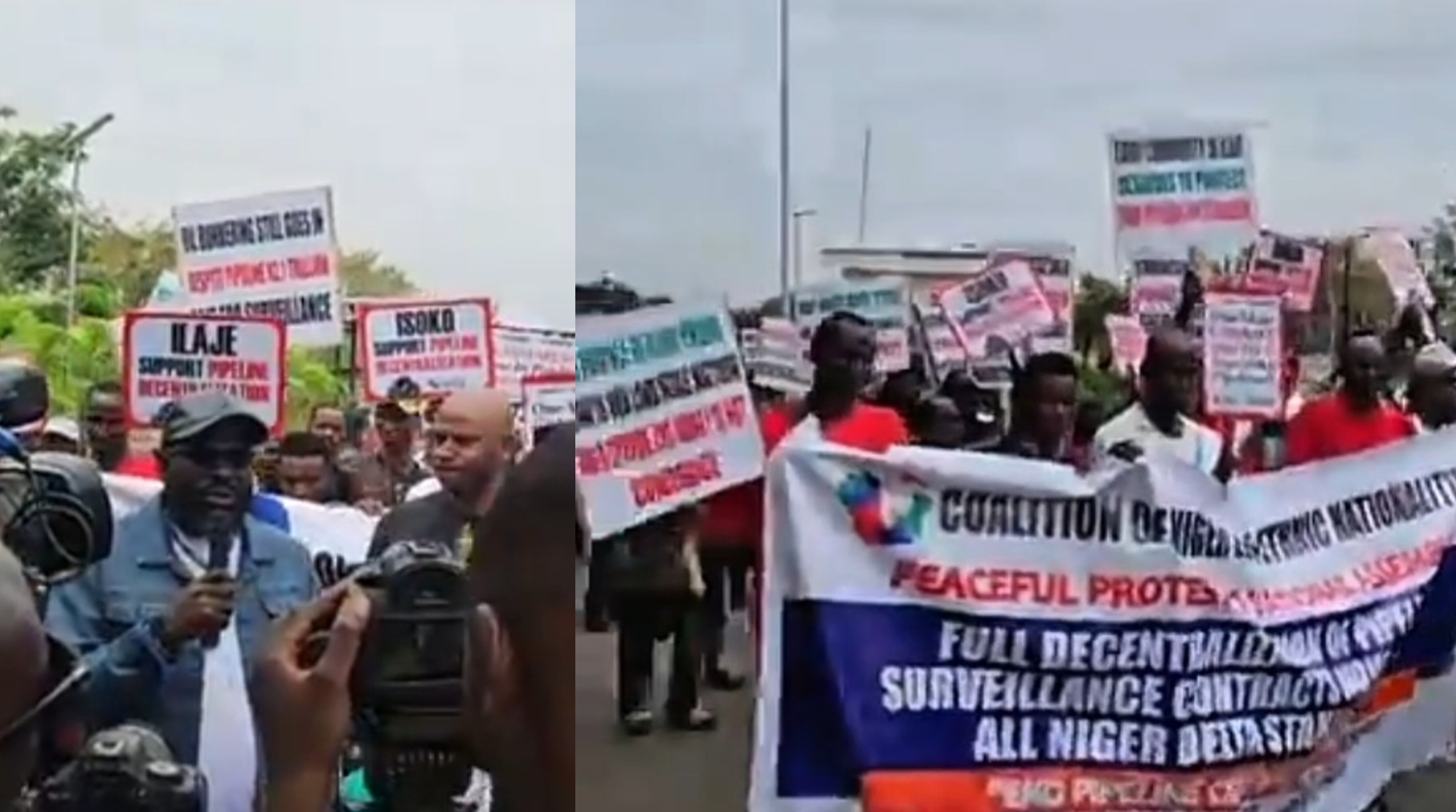
The Movement for the Restoration of the Niger Delta (MRND) has raised alarm over the recent House of Representatives retreat on pipeline surveillance in Owerri, Imo State, cautioning that the decisions emerging from the gathering could have serious implications for regional security and Nigeria’s oil economy.
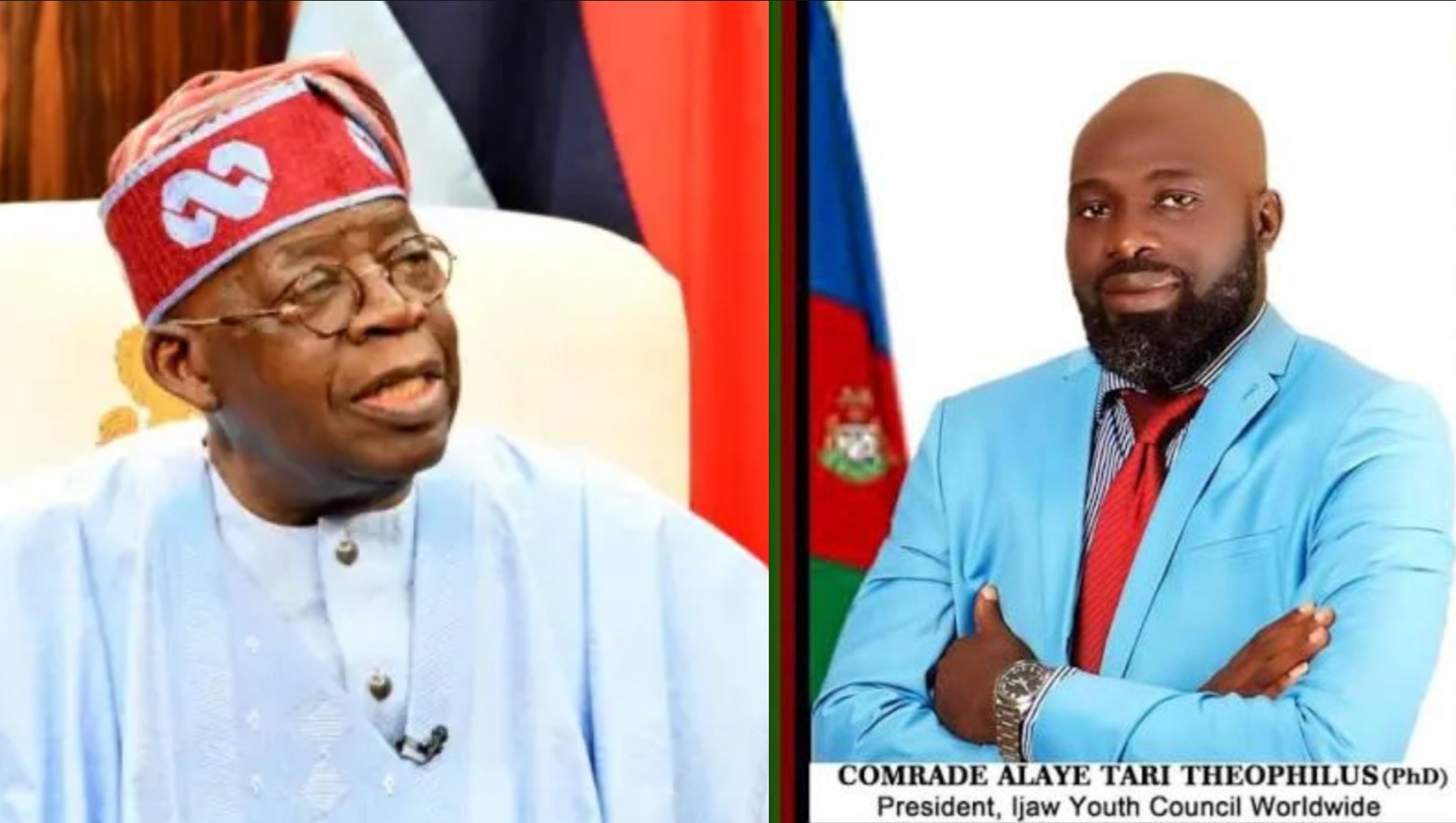
In a statement issued by its Spokesperson, Erepamo Ogbemi, MRND criticized the retreat, organized by the House Committee on Petroleum Resources (Downstream), for what it described as a narrow approach to pipeline security planning that favors a single private contractor.
According to the group, the Owerri retreat, chaired by Hon. Ikenga Ugochinyere Ikeagwuonu, recommended extending a major surveillance contract to one company and even proposed granting it the designation of “Company of National Strategic Importance.” MRND warned that concentrating such critical responsibilities in the hands of a single operator is potentially destabilizing.
“Owerri did not speak for the Niger Delta or Nigeria as a whole,” Ogbemi said, emphasizing that key stakeholders in the region were excluded from meaningful participation.
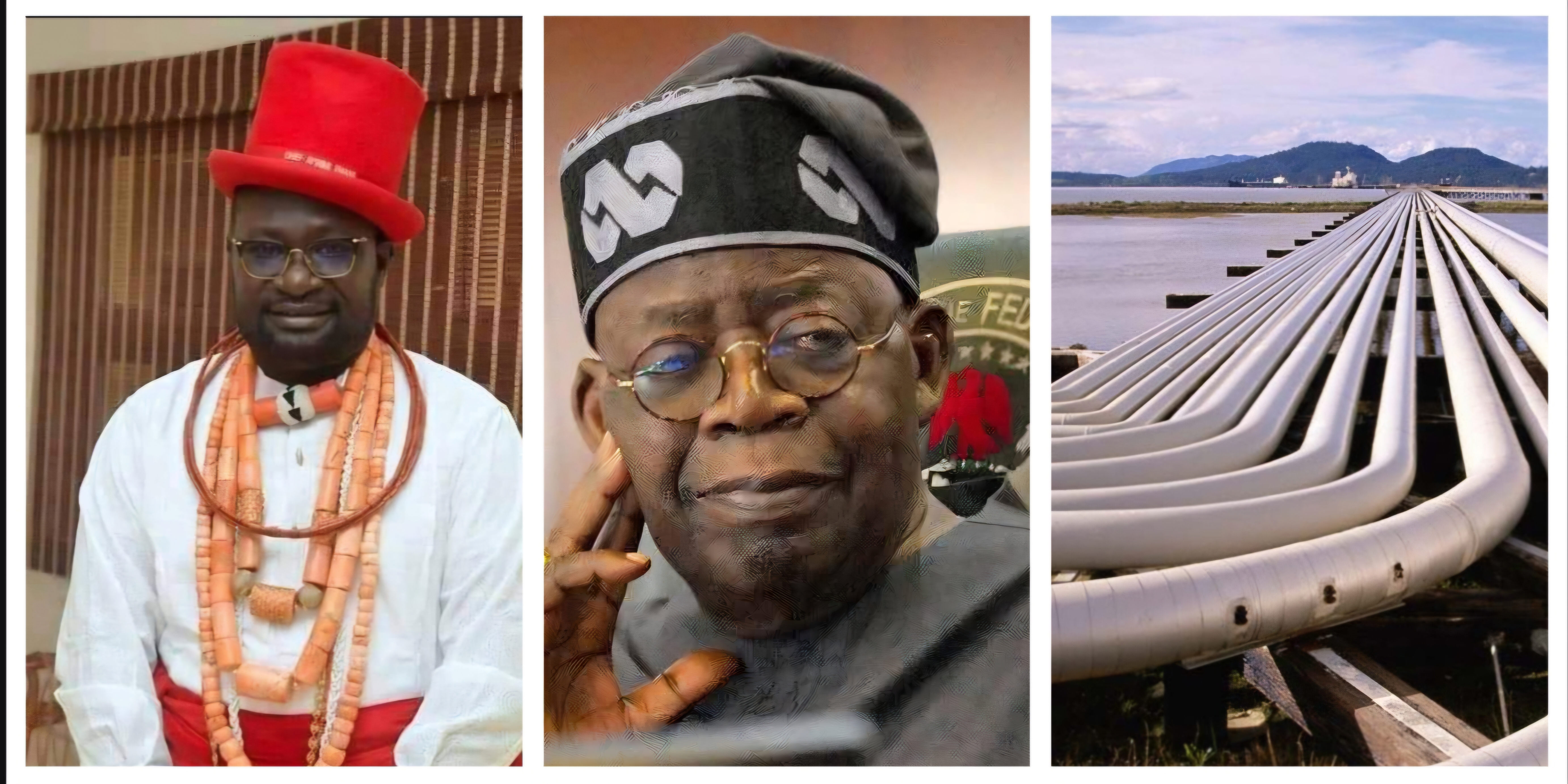
MRND highlighted that multiple indigenous operators, including Pipeline Infrastructure Nigeria Limited and Maton Engineering Nigeria Limited, are actively engaged in pipeline protection. The group noted that Pipeline Infrastructure Nigeria Limited manages surveillance along the Eastern Corridor of the Trans Niger Pipeline and has consistently supported the Federal Government’s goal of achieving 2.5 million barrels per day in crude production.
The organization stressed that pipeline security decisions should reflect a collaborative and inclusive approach, warning that sidelining influential local leaders risks repeating past crises like the 2015–2016 Niger Delta unrest, which reduced national crude output to roughly 900,000 barrels per day.
Prominent regional figures who historically helped stabilize the Niger Delta were singled out as critical voices in ongoing security discussions. These include Senior High Chief Bibopere Ajube (“Shoot at Sight”), King Michael Ateke Tom, King Dokubo Asari, Chief Victor Ben Ebikabowei. MRND argued that any effective security framework must recognize their contributions and expertise.
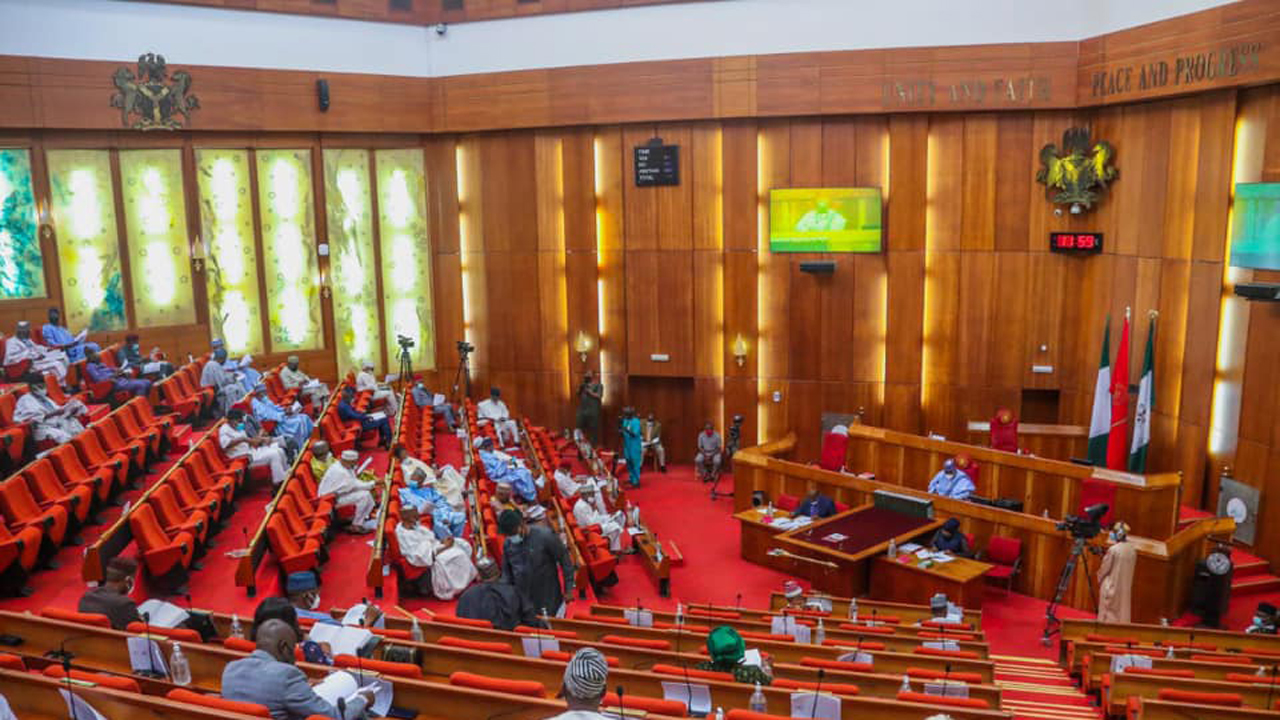
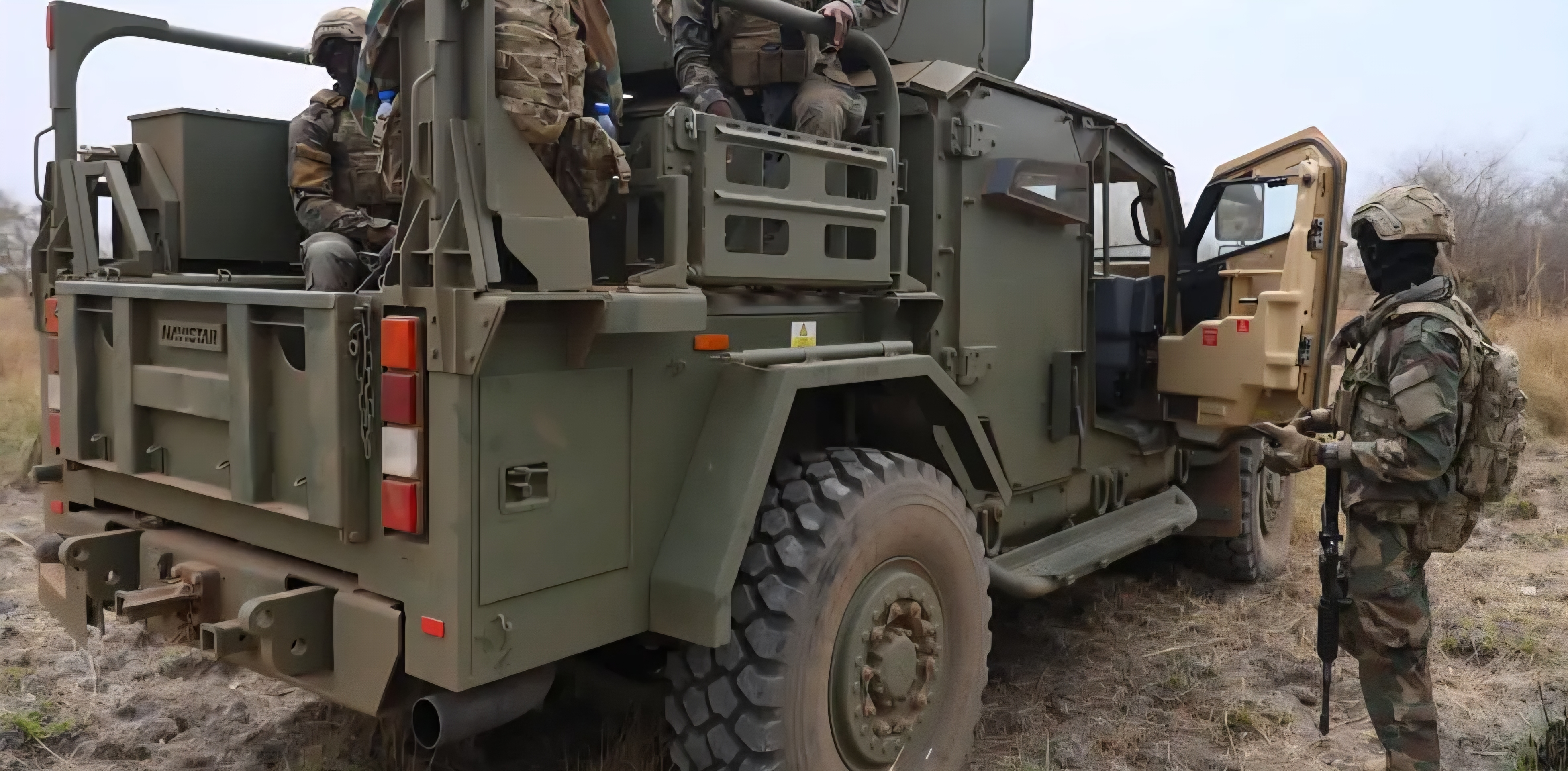
Ogbemi also expressed concern over the concentration of advanced surveillance technology in the hands of a single contractor. Public displays of night-vision drones capable of launching from moving vehicles at a National Assembly roundtable on April 8, 2026, were cited as examples of equipment that require stringent oversight.
MRND warned that without clear constitutional accountability, conflicts over payments, politics, or operational interests could force the Nigerian Armed Forces to confront heavily armed non-state actors—an outcome described as “a liability, not a security architecture.”
The group also pointed to the country’s lagging crude production as evidence that the current approach may be flawed. With Nigeria producing about 1.488 million barrels per day—below the Federal Government’s 2026 budget benchmark of 1.84 million barrels and under the OPEC quota—MRND argued that decentralized surveillance strategies in the pre-2015 era yielded better results, with production averaging between 2.4 and 2.5 million barrels per day.
MRND recalled a 2024 incident where the Nigerian Navy reportedly arrested four individuals linked to a dominant surveillance contractor over suspected crude theft, highlighting the risks of granting permanent strategic status without proper vetting.
While commending the Nigerian Armed Forces for their ongoing efforts in securing pipelines and combating oil theft, the group emphasized that sustainable national security requires transparent, accountable, and inclusive governance structures.
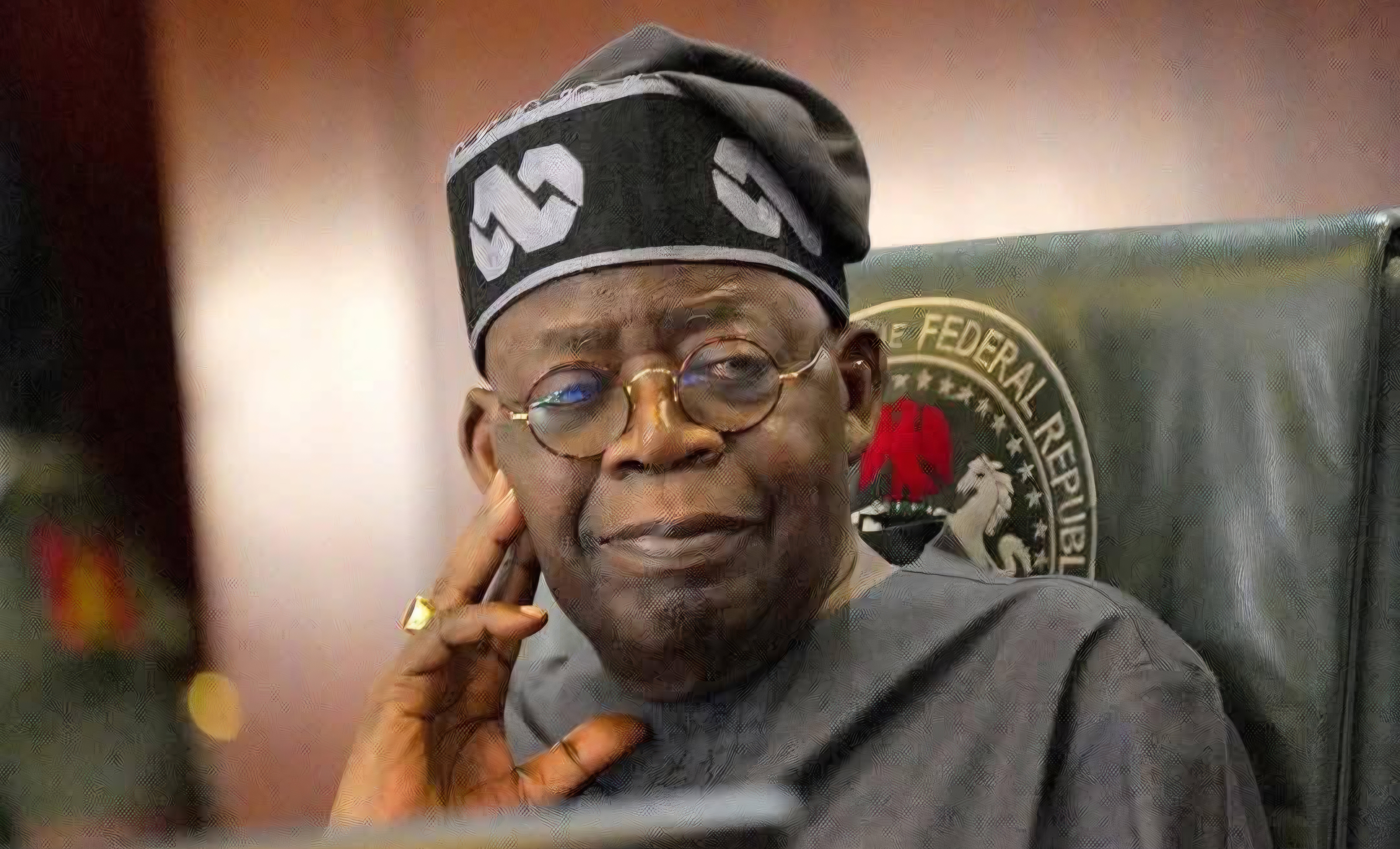
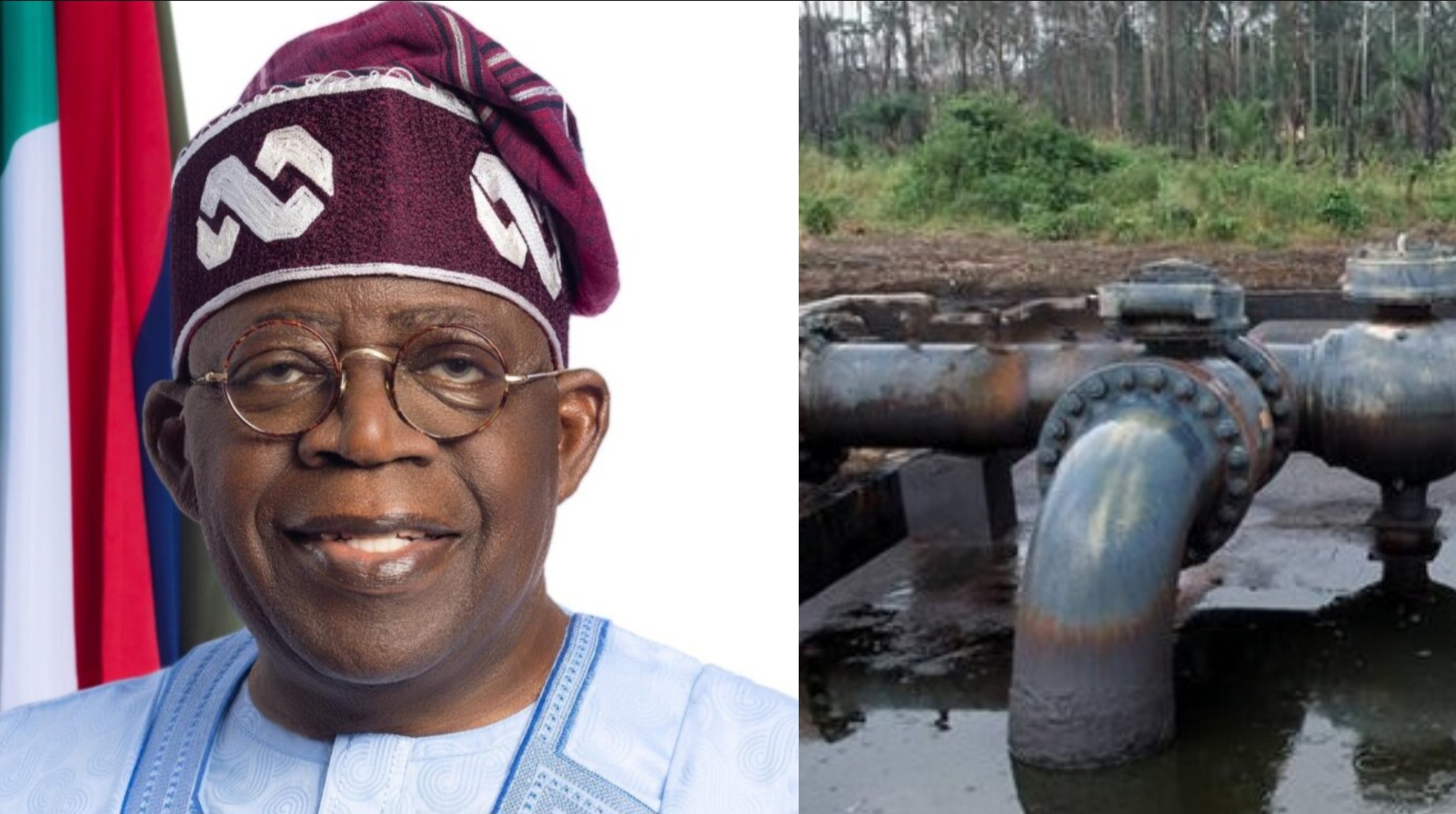
MRND called on President Tinubu to conduct a thorough review of the Owerri retreat’s recommendations and to instruct the Department of State Services (DSS) and the Office of the National Security Adviser to evaluate the security, operational, and governance risks of the current centralized surveillance system.
According to Ogbemi, only a framework built on inclusiveness, accountability, and broad stakeholder participation can ensure the stability of the Niger Delta and protect Nigeria’s oil-dependent economy.




0 Comment(s)